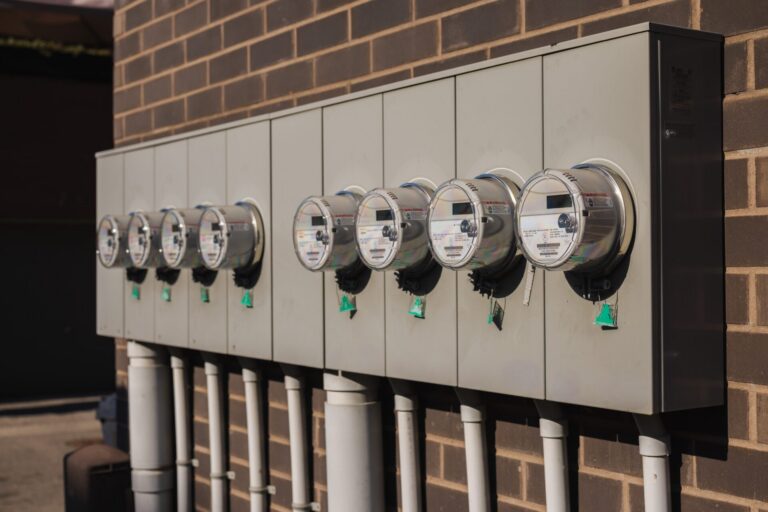
Dominion is top donor to lawmakers who picked the judges deciding its merger

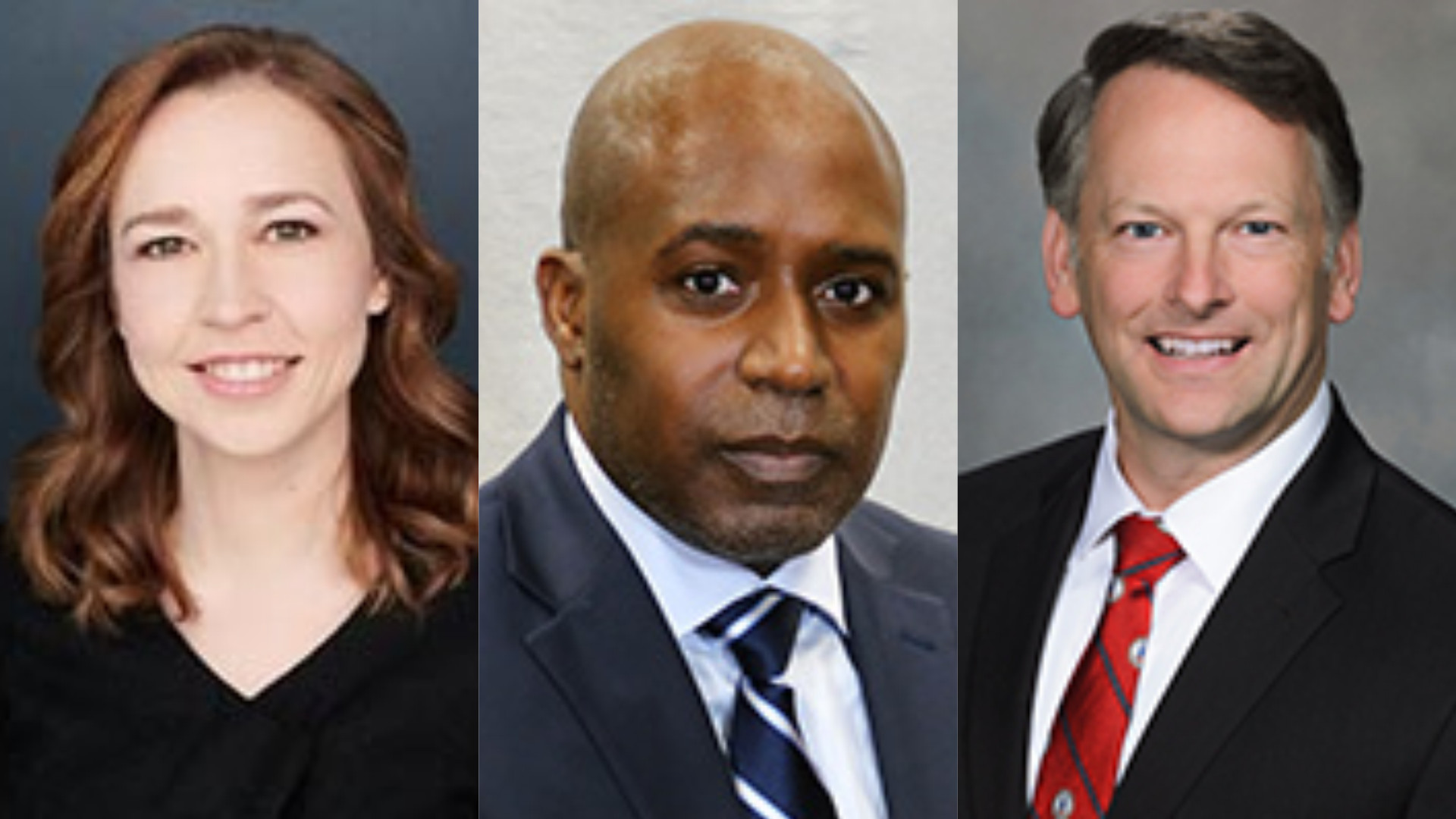
Dominion Energy is the top donor to most of the Virginia lawmakers who picked two of the three judges ruling on NextEra Energy’s $67 billion bid to acquire Dominion, according to an analysis of campaign finance filings by the Energy and Policy Institute (EPI).
The State Corporation Commission (SCC) is the Virginia agency that regulates utilities and has final say over Dominion’s sale. A small committee of state lawmakers selects the SCC’s judges, and the full General Assembly then votes to confirm them. Virginia is one of only three states, along with South Carolina, where state lawmakers select utility regulators. Governors appoint utility regulators in 37 states, and voters elect the regulators directly in another 10.
Dominion is the top donor to six of the nine committee members who selected Judges Kelsey Bagot and Samuel Towell in 2024, and has spent nearly $4 million on those same lawmakers and the political action committees (PACs) in their control since the merger talks began in October last year:
Unlike almost every other state in America, Virginia sets no limits on what corporations and individuals can give to candidates and their PACs. Dominion has spent hundreds of millions on elections and lobbying, building a General Assembly that relies on its money and tilts toward its interests.
Del. Shin, who received no contributions from Dominion, was the only lawmaker to answer EPI’s request for comment on whether they support or oppose Dominion’s sale to NextEra. Shin said she “opposed this merger from the beginning” because it’s “designed to consolidate corporate power and create a utility mega company the likes of which America has never seen,” while “Virginians are struggling to keep the lights on.”
Who is SCC Judge Kelsey Bagot?
Kelsey Bagot chairs the SCC and is in her first term as a judge, which ends in January 2030. Before joining, she was a senior attorney at NextEra, the company now asking for her and the SCC for approval to buy Dominion and create the world’s largest regulated monopoly electric utility.
Members of the public have called on Bagot to recuse herself from the case due to her NextEra employment history, and Sens. Russet Perry and Danica Roem, along with Dels. Leslie Mehta, May Nivar, and Charlie Schmidt, agreed that Bagot should recuse herself when asked by audience members at Lt. Gov. Ghazala Hashmi’s Energy Listening Tour.
During Bagot’s confirmation, then-Del. Geary Higgins told Loudoun Now that the Democratic caucuses had assured him that Bagot would recuse herself from any NextEra cases. And in May, Sen. Perry recalled Bagot assuring her and other members of the General Assembly during confirmation “that she would recuse herself from matters involving her former employer.” However, in a letter to Sen. Scott Surovell, chair of the Energy Commission, Bagot maintained she committed only to recusing herself from cases involving NextEra’s plans to build a transmission line, which she did. The General Assembly approved Bagot’s and Towell’s nominations unanimously in 2024, despite reservations with Bagot.
After graduating from Harvard Law School, Bagot began her legal career as an associate at Troutman Pepper Locke, where she represented “natural gas, oil and electric utility industries in regulatory and rate case litigation proceedings” before the Federal Energy Regulatory Commission (FERC). She later became a legal advisor to Republican FERC Commissioner Mark Christie, a former SCC judge, before joining NextEra.
Bagot reported no gifts worth more than $50 from lobbyists and no travel or other expenses worth more than $100 for attending meetings or conferences on any of her statement of economic interest forms. Still, EPI research shows she has attended at least 12 industry events since joining the SCC in 2024, including the annual conference of the National Association of Regulatory Utility Commissioners (NARUC).
The conference gathers utility regulators from across the country to learn, and is often sponsored by the utilities’ trade association, the Edison Electric Institute (EEI), and packed with utility lobbyists.
In 2025, EEI secured tickets for Bagot to watch a Red Sox game from a private suite at Fenway Park, along with tickets for other regulators and industry lobbyists, including a Dominion executive. EPI previously asked Bagot questions regarding the event; she did not respond. Her statement of economic interest forms do not disclose the Red Sox game and Fenway Park private suite.
Who is SCC Judge Jehmal Hudson?
Jehmal Hudson is a lawyer whose career has included roles as vice president of government affairs at the National Hydropower Association, director of government affairs at FERC, and law clerk for then-Sen. Hillary Clinton. He is the first Black judge to serve on the SCC.
Democrats in the General Assembly tried to elect Jehmal Hudson to the SCC in 2020, but Senate Republicans blocked the vote. Three months later, Democratic Gov. Ralph Northam appointed Hudson to the seat, and the General Assembly confirmed him in early 2021. Hudson was re-elected to the SCC again in January 2026 by the General Assembly for a term running through January 2032.
Hudson’s statements of economic interests show he regularly attends industry events. Since 2021, he has reported receiving more than $18,000 in value to attend or speak at them, including NARUC’s conferences. Most of the payments came from NARUC itself, or other public-sector entities. Electric Power Research Institute (EPRI), a utility-funded nonprofit, paid Hudson for his involvement with an event on affordability and energy markets. EPRI proposed a new framework in 2025 to weaken utilities’ climate emissions reductions targets – without disclosing its industry affiliation.
NARUC has named Hudson its next president, and he will lead a session on affordability at its annual conference later this month.
Who is SCC Judge Samuel Towell?
Samuel Towell is a familiar face in Virginia energy policy. He served as the state’s deputy attorney general for civil litigation, overseeing a division that includes the attorney general’s consumer counsel. In that role, Towell challenged Dominion-backed legislation that blocked the SCC from returning excess utility profits to customers through rate cuts or refunds. The attorney general’s office warned the bill would make customers “essentially pay twice” for grid upgrades.
Towell first applied for an SCC seat in 2020, but lawmakers chose Hudson instead. Towell’s first term ends January 31, 2028, and his re-election is up to the General Assembly.
On his 2025 statement of economic interests, Towell disclosed securities holdings valued at up to $4 million. The form reports values only in broad ranges, and it lists no holdings in Dominion or NextEra.
SCC Judges only attended 1 of 3 in-person public comment hearings
The SCC held its third and final in-person public comment hearing yesterday, November 5.
Judges are not required to attend the sessions, but Del. Rozia Henson said “a hearing intended to give the public a voice should include the people who hold the authority to act on what they hear.” Henson said he had planned to attend the hearing in Fairfax but turned around when he learned the judges would not be in attendance. The SCC did not plan on hosting hearings, but ordered them after lawmakers and residents demanded them during Lt. Gov. Hashmi’s Energy Listening Tour.
In the order granting the hearings, Judge Towell rejected suggestions that only in-person comments have “a real chance to be heard,” saying comments made in person, by phone, or in writing carry equal weight and must all be read by the SCC.
Some customers who called into yesterday’s telephonic hearing told EPI they were skipped over to make a comment, while dozens were denied entry to the final in-person hearing for not having a license, under a new rule that wasn’t in place for the previous two hearings.
On November 17, the SCC will begin evidentiary hearings on the merger. These are trial-like proceedings where NextEra, Dominion, and other parties present evidence and cross-examine witnesses.
Under state law, the SCC may approve the deal only if it finds that the merger will not impair or jeopardize adequate service to the public at just and reasonable rates. SCC staff recommended that the SCC reject the merger, as filed. Staff concluded that NextEra’s proposal fails the statutory test. The attorney general’s office agreed with the SCC staff.