Michigan utility interests pump $100K into fight against political spending ban

Michigan utility interests have contributed $115,000 to a campaign opposing a proposal to limit utility political spending, underscoring a fierce and increasingly expensive fight over the measure that could appear on the November ballot.
A required campaign finance disclosure filed Monday shows that Consumers Energy parent company CMS Energy Corp. gave $50,000 to Protect MI Free Speech, the committee formed to oppose the ballot initiative. The June 10 contribution follows a $15,000 contribution made by CMS Energy last year.
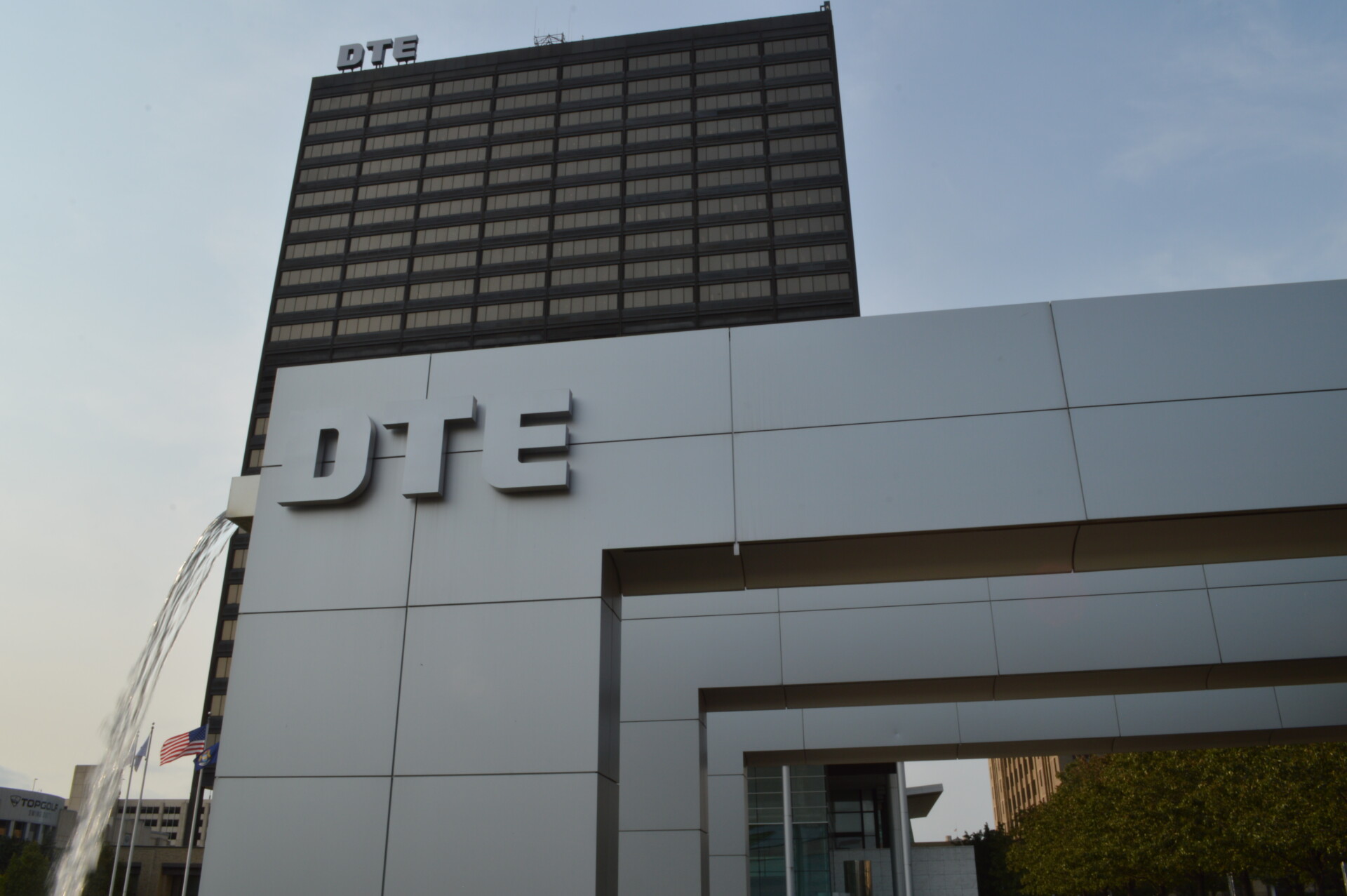
The new disclosure also lists a July 3 donation of $50,000 from Michigan Energy First, a dark money group closely tied to DTE Energy.
Backers of the Michiganders for Money Out of Politics initiative hope voters approve their framework to ban regulated monopoly utilities such as Consumers and DTE Energy from giving money to state officeholders and political party committees. The proposal would require dark-money 501(c)(4) nonprofits – organizations like the DTE-linked Michigan Energy First, and another one affiliated with Consumers Energy – to disclose pre-election ad spending.
The prohibition on political giving and disclosure requirements would also apply to other types of corporations holding state or local government contracts worth more than $250,000 annually. That includes Blue Cross Blue Shield, which, alongside other big business advocacy groups, is another prominent donor to the Protect MI Free Speech opposition campaign.
State elections officials certified last week that organizers had gathered enough signatures to secure a place on the November ballot, which tees up next steps in a process that allows the legislature to pass the measure as-is, come up with their own competing language, or simply allow the measure to go to voters in November. As that process plays out, legal challenges from business interests are likely.
The coalition behind the proposal includes Clean Water Action, Climate Cabinet, Community Change Action, Detroit Action, Hip Hop Caucus, Michigan League of Conservation Voters, Michigan United Action, MOSES Action, Progress Michigan, and Voters Not Politicians.
Utility spending stokes intense fight over ballot initiative
Frustration over utilities’ outsize political influence in Michigan is an animating force behind the ballot initiative. Over decades, Consumers Energy and DTE Energy have established themselves as not only prolific campaign donors but ruthless adversaries to those threatening their political agendas, a pattern that continues this election cycle.
The Detroit News reported earlier this month that Consumers Energy’s dark-money affiliate, Citizens for Energizing Michigan’s Economy (CEME), and another related group had spent over $270,000 on ads seeking to oust State Rep. Steve Carra, an outspoken critic of data centers, in his upcoming Republican primary election. [UPDATE 8/5/25: Carra handily won his Aug. 4 primary election, securing 58% of the vote.]
It’s a familiar playbook in Michigan politics: CEME joined other organizations in spending more than $1 million to unseat a utility critic in the state House in 2018. Since then, the utility-affiliated groups have quietly tried to influence several contests and made large donations to other nonprofits linked to elected officials.
But amid broader frustrations over high rates and poor service, support for restricting utility political spending is expanding across party lines.
After the Detroit News report exposed how the Consumers Energy group was targeting Carra, Michigan Republican Party Chairman Jim Runestad said the utility’s “scummy, rotten self-serving profit, mongering corruption” (sic) flipped his opinion on the measure from “unsure” to “leaning toward going all in for it.” Secretary of State Jocelyn Benson, the leading Democratic candidate for governor, has also called for a ban on utilities’ political spending. A May 2026 poll showed 8 in 10 Michiganders support the measure, across party lines.
Other fractures appear in the utilities’ longstanding political influence operation in Michigan. Nearly 150 state officeholders and candidates have pledged to refuse utility campaign money through the Michigan League of Conservation Voters’ “No Utility Money Challenge.” That figure has grown dramatically over the past year, threatening to disrupt the flow of utility money into Lansing.
Through their political action committees (PACs), Consumers Energy and DTE Energy have reported more than $1.97 million in contributions to current state elected officials across their political careers, according to an Energy and Policy Institute analysis of campaign finance reports. That does not include millions more in dark-money spending that is more difficult to track.
Carra told the Detroit News that Consumers Energy had “opened up a can of worms that I am confident they’re going to regret.”
DTE enters the fray with dark money
While Consumers Energy gave directly to Protect MI Free Speech through its corporate parent, DTE Energy’s debut in campaign finance filings came through a related dark-money group – Michigan Energy First.
DTE Energy has long downplayed its ties to Michigan Energy First, but various regulatory and legal filings show there is little daylight between the utility and the organization.
DTE executives and lobbyists round out Michigan Energy First’s board. Criminal court filings in 2025 also showed that DTE Energy employees directed the transfer of money from Michigan Energy First to a separate dark money nonprofit, with one even using her DTE email to confirm the contribution and manage logistics of the fund transfer. The emails contradicted previous statements a DTE Energy spokesman made to a Guardian reporter, saying DTE “unequivocally” did not make that donation and “[does] not speak” for Michigan Energy First.
DTE Energy has previously resisted calls for transparency in its dark-money political spending. Utility shareholders in 2023 voted down a proposal that would have required the utility to detail corporate dark-money spending. The DTE Energy shareholders who brought forward the measure argued for more detailed disclosure of dark-money spending on lobbying and 501(c)(4) nonprofits, and specifically cited Michigan Energy First.
That same year, Michigan Attorney General Dana Nessel responded to growing concerns about DTE Energy political influence by securing a first-of-its-kind disclosure requirement for DTE as part of a settlement agreement in a broader regulatory proceeding. The utility is now required to publish an annual report that shows contributions made by DTE corporate entities to recipients including 501(c)(4) groups for the prior year ending August 31.
DTE Energy’s latest required disclosure shows it parked $8 million in Michigan Energy First between Sept. 1, 2024 and Aug. 31, 2025, a substantial infusion that may suggest a planned escalation in political spending. At the end of 2024, the most recent year for which data is available, Michigan Energy First had a balance of $4.3 million. According to its required annual tax filings, Michigan Energy First has received over $51 million in contributions since 2014.
Utility dark-money lawyer on payroll of Protect MI Free Speech
The latest Protect MI Free Speech disclosure also details the campaign’s expenditures. To date, the committee has sent over $47,000 in legal fees to Eric Doster, a lawyer who also helps run Michigan Energy First. Doster also helps run Citizens for Energizing Michigan’s Economy, the dark money group linked to Consumers Energy.
Doster’s wife, Mary, is listed in the filing as the “designated recordkeeper” for Protect MI Free Speech, and she lists an address that she and Eric Doster share. Mary Doster is a GOP insider who has helped run campaigns for Republican candidates and causes in Michigan.