Utility regulator incumbents struggle in primary elections across the Southeast

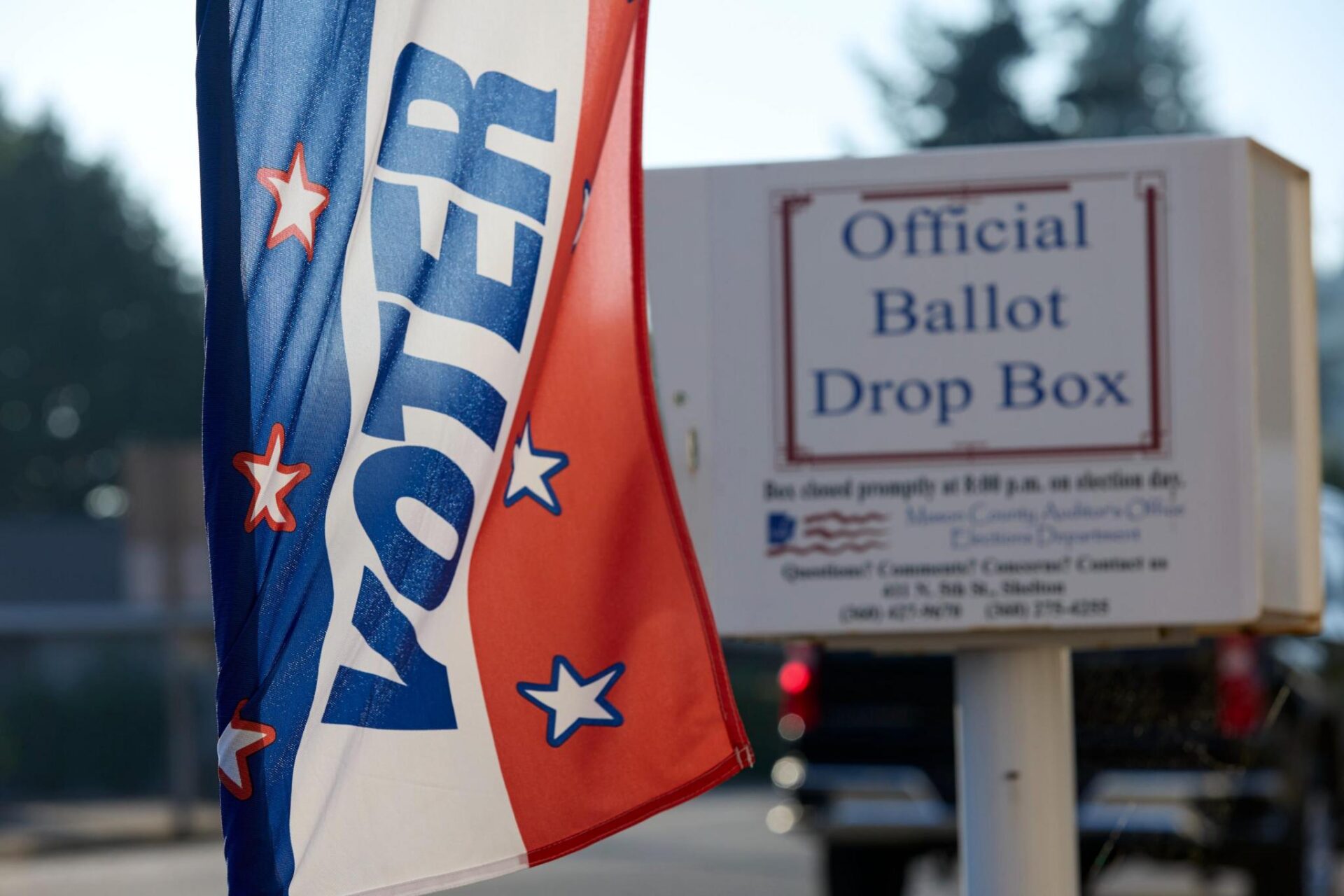
Across the Southeast, primary elections held last week showed a trend of incumbent utility regulators losing seats or being forced into runoffs to opponents vowing to hold utilities accountable for rising rates and increasing costs.
In Alabama, two Public Service Commission (PSC) incumbent candidates were ousted or forced into runoffs in the Republican primary held on May 19. Republican Commissioner Jeremy Oden, who served on the Commission since 2012, lost his bid for re-election to challenger Cullman County Sheriff Mike Gentry, who ran on a platform of utility accountability and said that he would hold a public rate hearing to examine Alabama Power’s rates. The Alabama PSC has not held a rate case since 1981. Gentry defeated Oden with roughly 75% of the primary vote.
Republican incumbent Chris Beeker III, who replaced his father, Chris “Chip” Beeker Jr. for the Place 2 spot in 2024 after he resigned over health issues, was forced into a June runoff with former Alabama state auditor James “Jim” Ziegler, who received 44% of the primary vote; a candidate must receive at least 50% to avoid a runoff. Ziegler ran a campaign centered around data center costs and stoking anti-solar sentiment. If elected, he said he would make sure “Big Tech” shoulders the costs of building data centers and its accompanying infrastructure. Beeker trailed in a distant second place with only 24% of the vote.
Gentry and the winner of the Beeker-Ziegler runoff for Place 2 will face Democratic candidates James Gordon (Place 1) and Sheila McNeil (Place 2) in the November general elections.
Beeker and Oden received the bulk of their campaign donations from three political action committees funded in part by contributions from people and companies associated with PSC-regulated utilities. Alabama state law prohibits utilities from directly contributing to Public Service Commission candidates. While in office, Oden and Beeker oversaw six rate increases for Alabama Power in the past three and a half years, according to PSC minutes. Data from the Energy Information Administration shows Alabama Power residential customers saw their monthly electric bills rise 23% from $153 in 2020 to $189 in 2025.
Voter outrage stemming from two highly controversial bipartisan bill proposals that would have converted the Alabama PSC from elected to governor-appointed also may have contributed to the strong primary showings from challengers. The bills were later replaced after public backlash with HB 475, which still tightened the governor’s control over the PSC by creating an appointed Energy Secretary position, which will set the PSC agenda. HB 475 also will add four new positions to the PSC, which will ultimately remain elected, but with the governor and legislative leaders appointing the initial four commissioners who serve in those seats. Earlier versions of HB 475 would have required mandatory rate cases and placed limits on Alabama Power’s authorized return on equity, but those changes were removed in late amendments. Under the law that passed, only the Secretary of Energy or a supermajority of five members of the new 7-member Commission can call for a formal rate hearing, and not until 2029, two years after Alabama Power’s rate freeze ends. The bill did lock in that rate freeze,and also prohibited utilities from recovering costs associated with lobbying, advertising, and “funding or grants” to other organizations.
Georgia PSC primary results
In 2026, two seats on the Georgia Public Service Commission were up for grabs: District 3 and District 5. Former Commissioner Fitz Johnson attempted to reclaim his seat after being ousted in a race for a one-year term last year by Democrat Peter Hubbard. Johnson narrowly avoided a runoff with 50% of the vote squeaking by with less than 3,000 votes to beat challenger Brandon Martin, who came in at 49%. Johnson will once again face Hubbard in November.
Republican Commissioner Tricia Pridemore declined to run again for her seat in District 5, instead choosing to focus her political ambitions on Congressional District 11; she finished third in the primary. Republican candidates for her vacated PSC seat, Bobby Mehan, who received 31% of the vote, and Josh Tolbert, who received 41%, are headed to a runoff; both candidates ran on affordability as primary platform messages and have said they would challenge future Georgia Power rate increases, consider requiring Georgia Power to share fuel costs that are currently fully passed through to customers, and reduce Georgia Power’s profit margins. They will face Democratic candidate Sheila Edwards in November, who won a primary while campaigning to “stop endless rate hikes, protect consumers, and hold utility companies accountable.”
Georgia made national headlines last year when two Democratic candidates ousted two long-time Republican PSC incumbents from their seats for District 2 and District 3. A 2025 EPI analysis of campaign contributions for Commissioners Johnson (District 3) and Tim Echols (District 2) showed that they both received the majority of their funding from individuals and companies associated with the utilities they were supposed to regulate. The Georgia PSC approved six Georgia Power rate increases since 2022, according to reporting by the Atlanta Journal-Constitution.
Louisiana PSC primary results
Louisiana held closed primaries for the first time in their 2026 elections held May 16. Ten candidates from the Republican and Democratic party vied for two open seats on the Louisiana Public Service Commission in which the incumbents, Eric Skrmetta (R-D1) and Foster Campbell (D-D2), have termed out.
In District 1, Republicans Stephanie Hilferty and John Young will head to a runoff in June. Hilferty received 28% of the votes while Young received 31%. An EPI analysis of campaign finance filings showed Hilferty and Young received substantial support from PSC-regulated entities for their campaigns. Hilferty ran on a platform of utility accountability, citing her sponsorship of a bill that reformed the Sewerage and Water Board of New Orleans. Utilities can contribute directly to PSC candidates.
The winner of the June runoff will face Democratic candidate Connie Norris and Independent Christopher Justin in the November general elections.
In District 5, Republican John Atkins, who ran on affordability while also saying he would “push for transparency and accountability from utility companies”, won his primary with 88% of the vote and will face Democratic Candidate James Green in the November elections. Atkins received significant support from people and companies associated with PSC-regulated entities, mostly in the oil and gas sector but said publicly he didn’t intend to accept any contributions made by utilities. He refunded contributions to his campaign from American Electric Power and Magnolia Water, but did appear to accept donations made by utility executives and other individuals with financial ties to regulated utilities, according to an EPI analysis.
Correction: An earlier version of this article incorrectly stated Chris “Chip” Beeker passed away in 2024.