
Peoples Gas settles discrimination lawsuit amidst rate hike

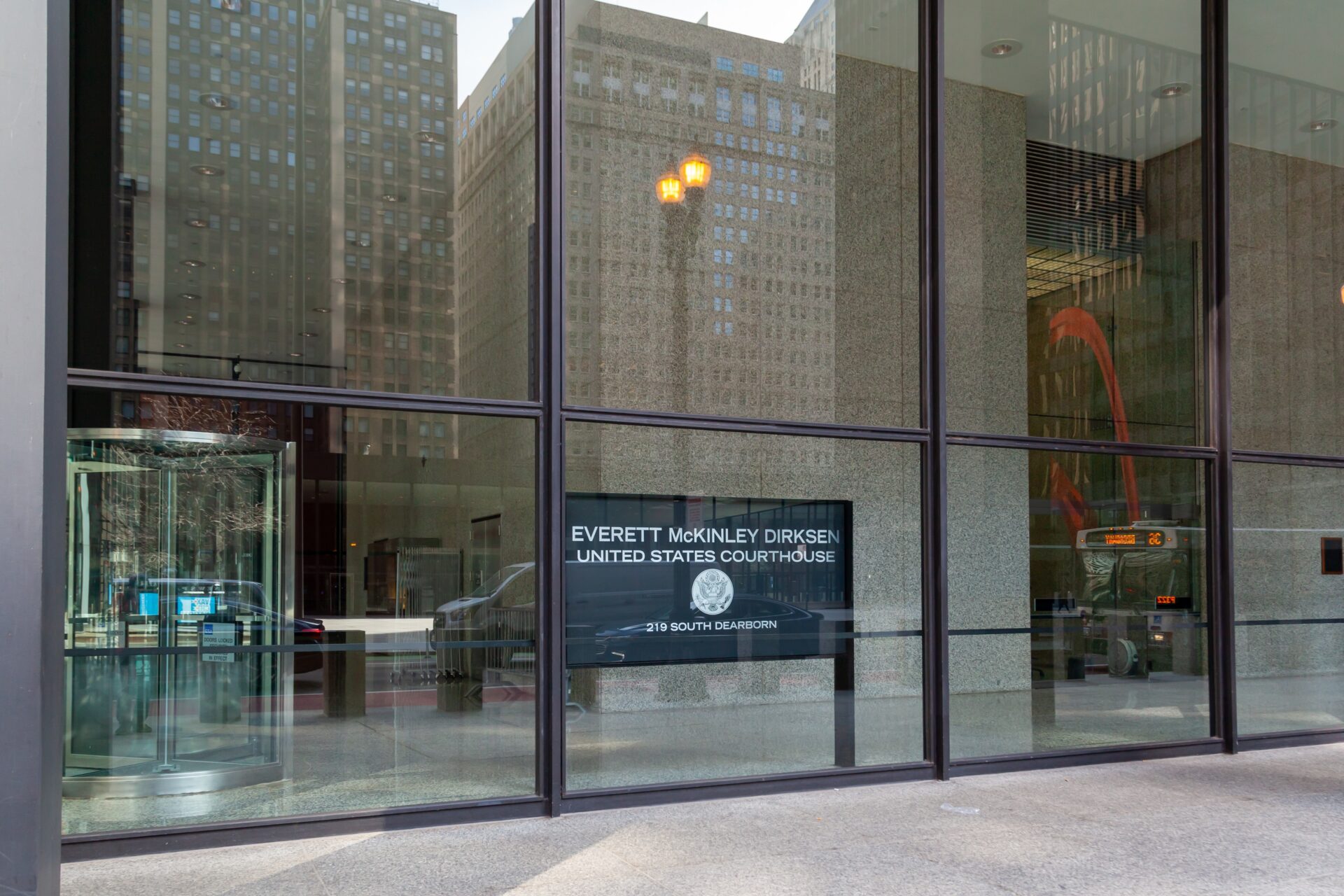
Peoples Gas, the Chicago-based gas utility, has settled a discrimination lawsuit alleging that it engaged in systemic race discrimination against Black employees and customers through fostering a hostile work environment, discriminatory job and territory assignment, discriminatory overtime and pay, discriminatory performance and discipline practices, and retaliation. Eleven former and current employees of the gas utility filed the suit, Towns et al. v. Peoples Gas, in 2023. The plaintiffs and the utility had been in settlement discussions since May; they settled in December with a confidentiality agreement before the case could go to trial. Peoples Gas did not admit liability.
The settlement comes at a politically tenuous time for the utility, which filed a $202 million rate hike request with the Illinois Commerce Commission in January. If approved, the rate hike could add $10-$11 more to customer monthly bills. The utility received approval for a $303 million rate increase in late 2023.
Documents in the rate case show that Peoples Gas listed the main law firm that defended it against the discrimination lawsuit, among more than a dozen other outside firms, as expenses the utility could charge to customers’ bills. Riley Safer Holmes & Cancila LLP had five attorneys representing Peoples Gas in the discrimination case, and the firm received $238,000 from the utility in 2024. Peoples Gas detailed $17.6 million in expenses to outside firms that year and projects an increase to $24.5 million in expenses to outside firms by 2027.
Peoples Gas denied the racial discrimination allegations during initial reporting of the lawsuit in November 2023. By October 2024, the judge in the suit ruled that the lawsuit could proceed but did allow WEC Energy, Peoples Gas’ Milwaukee-based parent company, to be dismissed from the case.
A spokesperson for the Illinois Commerce Commission said that utilities are authorized to “recover prudent outside legal expenses, absent a finding of imprudence. However, if a utility settles or has a money judgment entered against the company in the suit, then seeks recovery from ratepayers in a general rate proceeding, the ICC will review the utility’s conduct for prudence and may disallow the expense.”
The spokesperson noted how the agency has disallowed recovery of settlement costs in the past and said, “The overall purpose of a rate case is to examine a utility’s expenses and investments. The process is designed to ensure that utilities receive the necessary funds to provide safe and reliable service at a reasonable cost to ratepayers. Again, these costs are only recoverable if the utility demonstrates they are reasonable and prudent.”
EPI asked Peoples Gas whether the utility was asking shareholders or ratepayers to foot the bill for the legal costs and any settlement payments, and whether it was auditing its internal procedures in the aftermath of the settlement. The company did not respond.
Discrimination lawsuit details
The racial discrimination complaint alleged that Peoples Gas had committed egregious and repeated instances of racial discrimination, violence, harassment, and intimidation. On several occasions, discriminatory job and territory assignment practices led to Black employees being placed in more dangerous locations with inadequate security, leaving them vulnerable, resulting in assault and attempted armed robbery, the lawsuit claimed. For instance, the suit claimed that at least 22 employees were assaulted at gunpoint – 21 of whom were Black.
Black employees were also given less desirable and demeaning assignments, the suit alleged. When a white employee damaged a sewer line, filling the worksite with human waste, Black employees (Plaintiff Jason Towns’ team) were allegedly assigned to clean it up. Similarly, Towns alleged that Peoples Gas required Black customers to “dig up their own service lines to be reconnected.”
Physical and sexual violence occurred while working in the field, particularly for Black women, whether due to the territory placement, from colleagues, or from management, the plaintiffs alleged in court filings. One plaintiff, Leticia Jackson, described numerous occurrences of sexual harassment and coercion from colleagues. The plaintiff recalled a colleague threatening that “she could not go to Human Resources because no one would believe her.” Jackson claimed Peoples Gas knew of the employee’s conduct and refused to take action, despite a pattern of behavior and history of reporting. The utility often acted dismissively of safety concerns, with a supervisor telling her that the “job still has to get done” as a response to being physically assaulted by a customer, the suit alleged.
The alleged hostile and often dangerous workplace environment led several of the named plaintiffs in the case to take extended leave or request disability accommodations as a result of the physical or emotional trauma inflicted. The lawsuit also alleged Peoples Gas retaliated against the plaintiffs by cutting their leave short once learning they had obtained legal counsel.
Towns et al. v. Peoples Gas was not the first discrimination lawsuit filed against Peoples Gas.
Former Peoples Gas employees Fred White, Jerome Austin, and Angelo Almaguer filed a lawsuit in 2016 alleging race discrimination and retaliation, and were allegedly terminated for speaking out. Documents detail alleged racial harassment, use of slurs by management, segregation, and lack of mobility or promotion due to race. The case was dismissed following mediation.
In 2017, Jerry Gross’ lawsuit against Peoples Gas and WEC Energy Group alleged race, age, and disability discrimination and retaliation while working at Integrys Business Support, which was acquired by WEC in 2015; that case was settled in February 2023.
Darryl Price, a Peoples Gas employee, filed complaints against the utility with the U.S. Equal Employment Opportunity Commission (EEOC) and Illinois Department of Human Rights (IDHR) in April of 2022 alleging years of age and race discrimination and harassment, including wrongful termination and denial of overtime. Price filed a lawsuit in January of 2023, claiming the harassment following the EEOC and IDHR complaints only worsened. The case was terminated in September 2025 when a judge found he was not treated less favorably than other similarly situated employees. Price retired. Similar to other plaintiffs who have waged lawsuits against Peoples Gas throughout the years, Price claimed he was forced to leave his position in order to retain what remained of his physical and mental health.