Michigan utility interests spend $215K to fight political spending ban

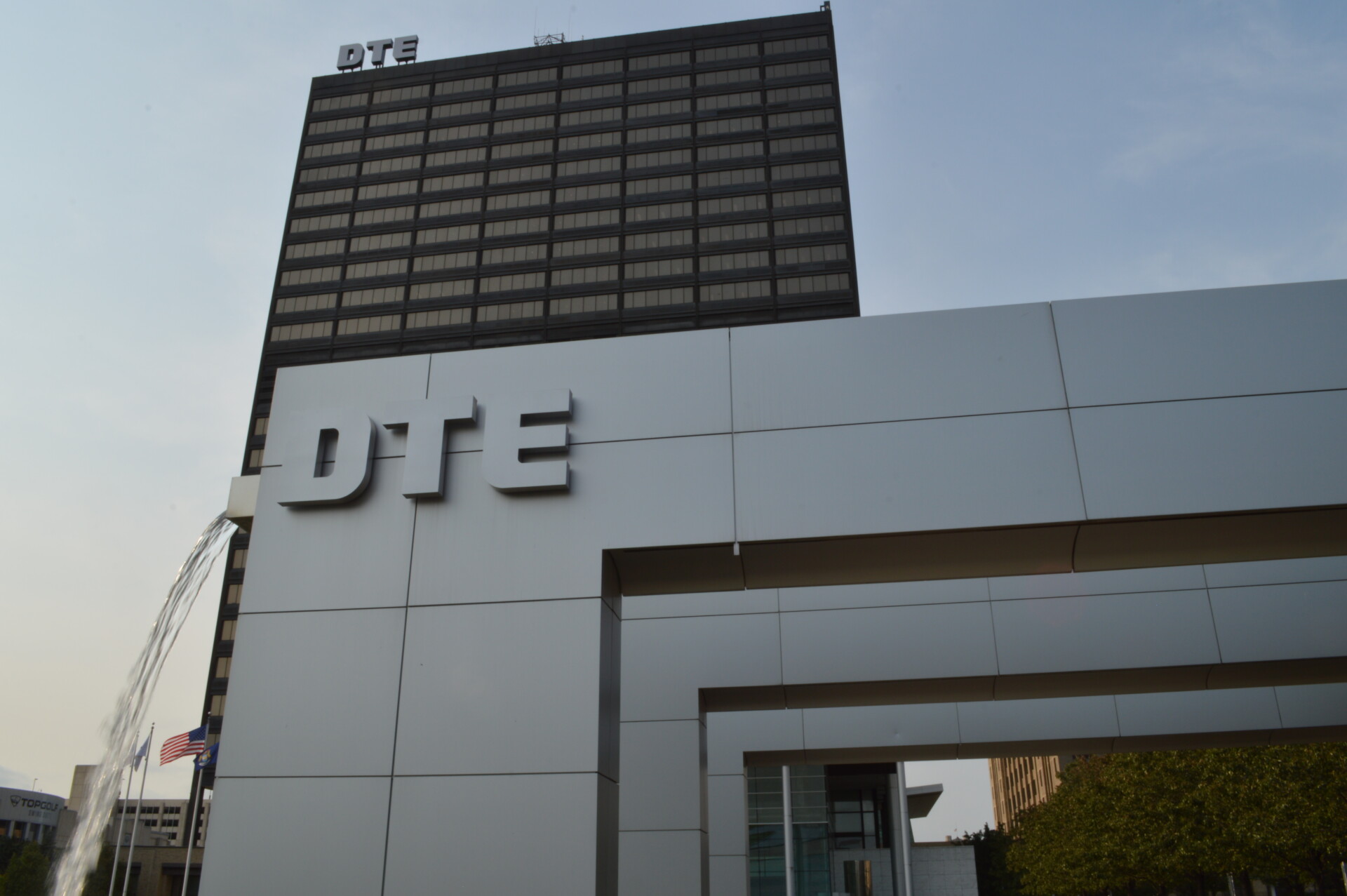
Michigan utility interests have funneled $215,000 into the campaign opposing a popular ballot initiative that, if approved by voters on Election Day, would restrict utility political spending and impose new requirements on their affiliated dark money groups.
Consumers Energy parent company CMS Energy Corp. gave $50,000 to the Protect MI Free Speech campaign committee on Sept. 30. That matches the $50,000 contribution that Michigan Energy First, a dark money group affiliated with DTE Energy, made on Aug. 31, according to a required campaign finance disclosure filed last week.
The latest six-figure infusion follows a series of other contributions the two entities have made to Protect MI Free Speech, now totaling $215,000 combined. Protect MI Free Speech is aiming to defeat the Michiganders for Money Out of Politics ballot initiative, which would ban regulated monopoly utilities such as Consumers and DTE Energy from giving money to state officeholders and political party committees. It would also require dark-money 501(c)(4) nonprofits – like Michigan Energy First, and a similar group tied to Consumers Energy – to disclose pre-election ad spending.
The prohibition on political giving and disclosure requirements would also apply to other types of corporations with state or local government contracts worth more than $250,000 annually. That includes Blue Cross Blue Shield, which, alongside other big business advocacy groups, is another donor to the Protect MI Free Speech opposition campaign.
After unsuccessful legal challenges by Protect MI Free Speech to keep the initiative off the ballot, state officials certified it as Proposition 2 for the Nov. 3 election. A Detroit News poll last month showed over 71% of voters support the measure, with a pollster warning it would take “a monumental amount of money” to beat it. Business groups say they are ready to challenge its legality in court if voters approve it.
The coalition behind the proposal includes Clean Water Action, Climate Cabinet, Community Change Action, Detroit Action, Hip Hop Caucus, Michigan League of Conservation Voters, Michigan United Action, MOSES Action, Progress Michigan, and Voters Not Politicians.
Ballot measure follows frustration over utility influence
Public pushback against Consumers Energy and DTE has risen over recent years, amid a relentless series of rate increases and widespread system outages. Michigan ratepayers have for years faced some of the highest rates in the Midwest for some of the poorest service, a 2025 Citizens Utility Board of Michigan report found.
Despite widespread calls for utility accountability and stronger ratepayer protections, state lawmakers largely avoided taking action for years. As legislative leaders allowed utility accountability bills to stall, in many cases without even receiving hearings, utility money kept flowing into their campaigns and affiliated dark money accounts.
Michigan Attorney General Dana Nessel, a fierce critic of the utilities, has described the flow of Consumers Energy and DTE money in Lansing as “the worst corruption imaginable.” The cash is the cornerstone of sprawling political influence operations that Nessel says she’s seen firsthand, and that have historically reached every corner of Lansing.
“They don’t discriminate by party. They want to make sure that they have everybody’s ear. And the best way to do that — massive campaign contributions,” Nessel said at a discussion she organized earlier this year to spotlight utilities’ outsize political influence. (The Energy and Policy Institute was invited to participate in the event.)
Through their political action committees (PACs), Consumers Energy and DTE Energy have reported more than $1.97 million in contributions to current state elected officials across their political careers, according to an Energy and Policy Institute analysis of campaign finance reports. That does not include millions more in dark-money spending that is more difficult to track.
Utility money increasingly toxic in Michigan
The proposed prohibition on political spending, and the popular support driving it, suggest that the political winds may be shifting in Lansing – away from Consumers Energy and DTE.
All four Democrats running for statewide office have endorsed the ballot proposal: Secretary of State Jocelyn Benson, who is running for Governor; Lieutenant Governor Garlin Gilchrist, who is running for Secretary of State; Washtenaw County Prosecutor Eli Savit, who is running for Attorney General; and Abdul El-Sayed, who is running for U.S. Senate.
El-Sayed has called out both his Republican opponent Mike Rogers and his primary opponent U.S. Rep. Haley Stevens for taking DTE money.
Support for the proposal extends beyond Democrats. The chair of the Michigan Republican Party earlier this year signaled his support after reports exposed how Consumers Energy spent over a quarter-million dollars in a failed bid to knock out a GOP incumbent who is a vocal critic of data centers during the August primary.
The proposal comes amid a shift in Michigan’s political landscape, where utility money has been widespread for years. A 2022 Energy and Policy Institute analysis found over 93% of state lawmakers had taken utility money during their political careers. But in the 2026 campaign cycle, against the backdrop of the ballot measure, nearly 200 lawmakers and candidates publicly pledged to refuse utility campaign contributions during the 2026 election cycle.
The Michigan League of Conservation Voters, which tracks utility political giving and politicians’ promises to refuse utility money, contends that it’s become a “political liability” to take utility cash. Increasingly, that’s a mainstream position. The list of politicians forgoing utility money recently expanded to include several Democratic lawmakers who serve in leadership positions in Lansing – several of whom routinely took money from utility PACs in the past.