North Carolina voters rejected Duke Energy-funded Democrats who cast decisive votes for controversial utility bill

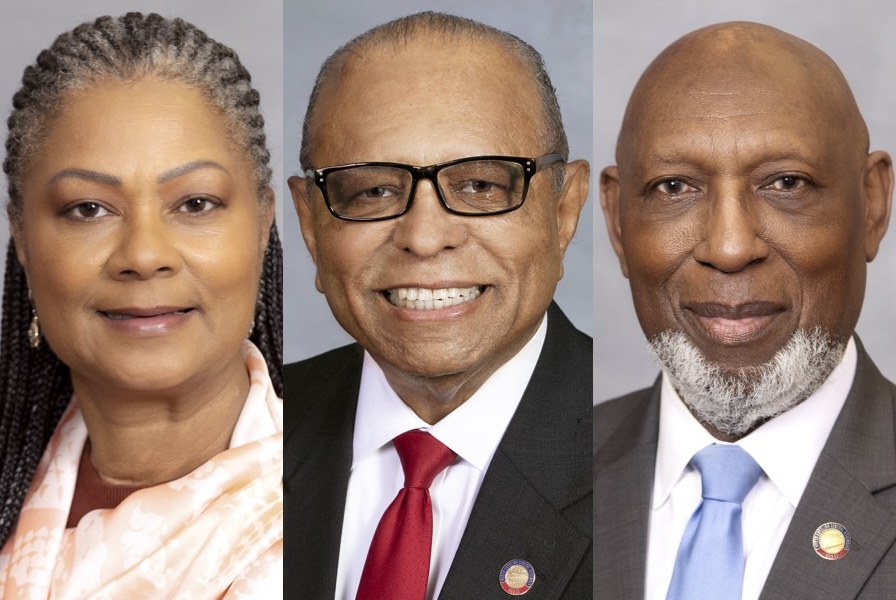
Three North Carolina Democratic state House members who crossed the aisle to cast key votes to override Gov. Josh Stein’s veto of a controversial Duke Energy-backed utility bill were rejected by voters in their own party’s primaries this month — after receiving the maximum $10,000 campaign contributions from the utility.
In 2025, state Reps. Carla Cunningham, Nasif Majeed, and Shelly Willingham, all Democrats, joined Republicans to override Democratic Gov. Josh Stein’s veto of Senate Bill 266, a sweeping energy policy measure that is likely to raise electricity costs for residential customers while reducing financial risk for Duke Energy.
S. 266 was one of the most consequential energy measures the state has seen in years. As detailed in a previous Energy and Policy Institute analysis, the measure scraps Duke Energy’s interim 2030 carbon reduction target, and shifts some costs from industrial to residential customers.
It also allows the company to charge customers in advance for the cost of building new power plants — a practice known as “construction work in progress,” or CWIP. A statewide poll found that about 85% of North Carolina voters oppose requiring customers to pay for power plants before they’re built, including large majorities across party lines.
The legislation initially passed with support from more than a dozen Democrats in the House and Senate. Stein vetoed the measure, warning it could make electricity more expensive and expose customers to billions in additional costs.
When the veto came up for an override vote in July 2025, Cunningham, Majeed, and Willingham were the only Democrats to stand with Republicans.
That made them a small but decisive bloc — the difference between the veto holding and the bill becoming law. Stein later took the unusual step of endorsing a primary challenger against Cunningham, backing Charlotte pastor Rodney Sadler in the race. Stein’s endorsement was part of a broader push to oppose lawmakers who had helped Republicans override his vetoes.
An escalation in Duke’s support
Duke Energy is one of the most influential corporate actors in North Carolina, operating as a regulated monopoly whose profits and investment decisions are shaped by state policy. Like other utilities nationwide, it engages deeply in the political process, contributing to candidates in both parties and maintaining relationships with lawmakers who oversee energy policy and regulation.
Campaign finance records compiled by FollowTheMoney.org show that Duke Energy had contributed to Cunningham, Majeed, and Willingham over multiple election cycles. But those earlier contributions were relatively modest and spread out over time:
- About $19,400 total to Cunningham over nearly a decade.
- Just $3,500 to Majeed through 2024.
- About $23,000 to Willingham during his time in office.
In early January 2026, after the veto override vote and before the primary election, that pattern changed. Duke Energy gave each of those three lawmakers a $10,000 contribution — the most allowed under state law. The company structured the contributions as two $5,000 checks issued on the same day, a common approach used by PACs to cover both primary and general elections.
For Majeed, the contribution alone nearly tripled the total he had received from Duke Energy across his entire political career. Even for Cunningham and Willingham, the 2026 donations represented a sharp rise in support compared to prior cycles.
Those maximum contributions were part of a broader, coordinated disbursement by Duke Energy’s corporate PAC to dozens of North Carolina candidates on Jan. 5, 2026.
The limits of utility influence
The three incumbents were defeated in their primaries on March 3.
Cunningham lost decisively to Sadler, who won about 70% of the vote in north Charlotte. Willingham was defeated by Patricia Smith, who won 56% of the vote in the Eastern North Carolina district. And Majeed lost to Valeria Levy, who won over 68% of the vote in their north Charlotte district.
In each race, the vote to override Stein’s veto of the utility bill — along with a broader set of veto overrides — became a central campaign issue.